Paddle dryer manufacturer since 1997 · ISO 9001:2015 & CE certifiedPilot trials on your own sludge – fee waived on orderMade in India · dispatched across India & exported1500+ projects · 500+ clients · 500+ dryers of all kinds running today
1500+ projects · 500+ dryers of all kinds running today
Pilot trial on your sludge – fee waived on order
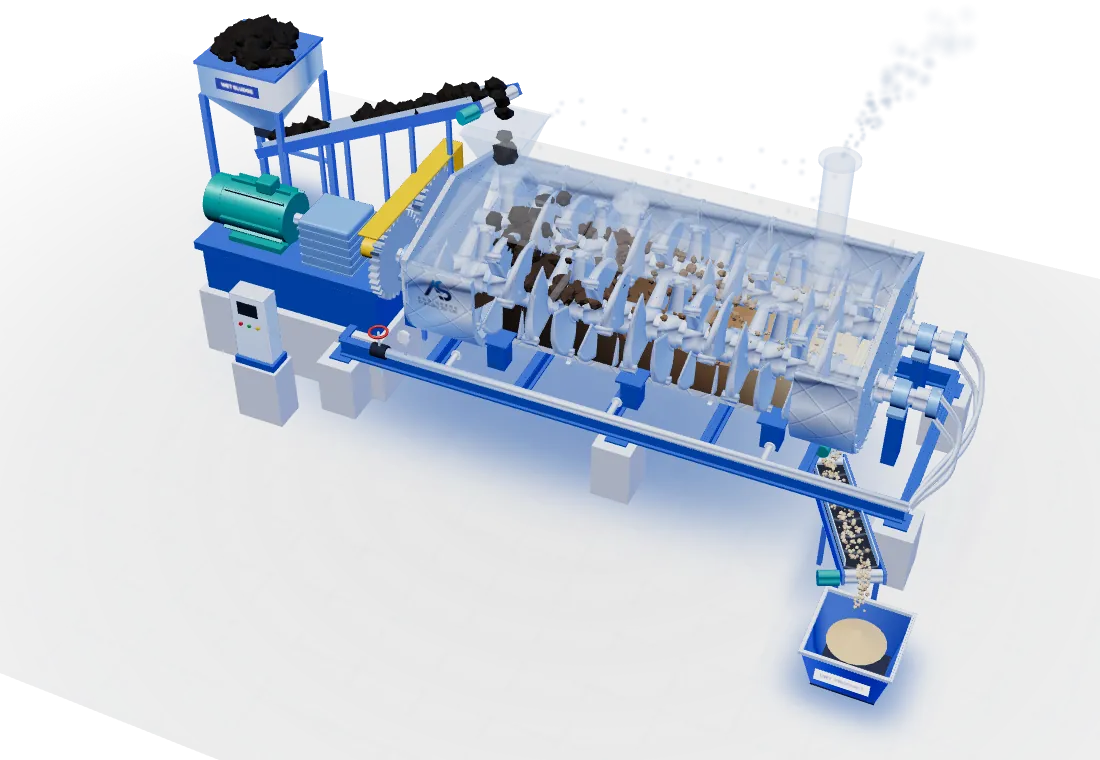
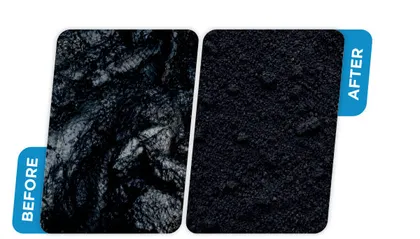
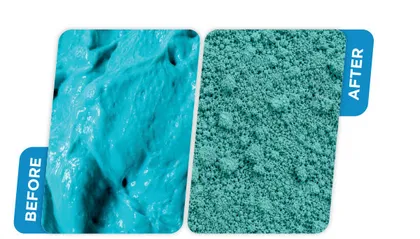
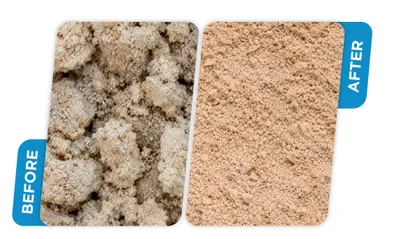
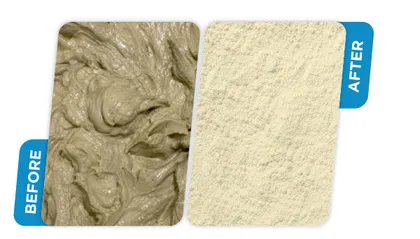
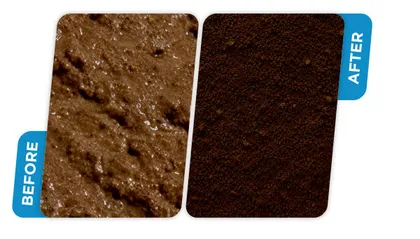
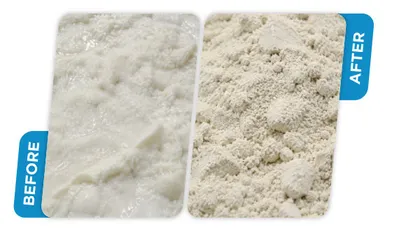
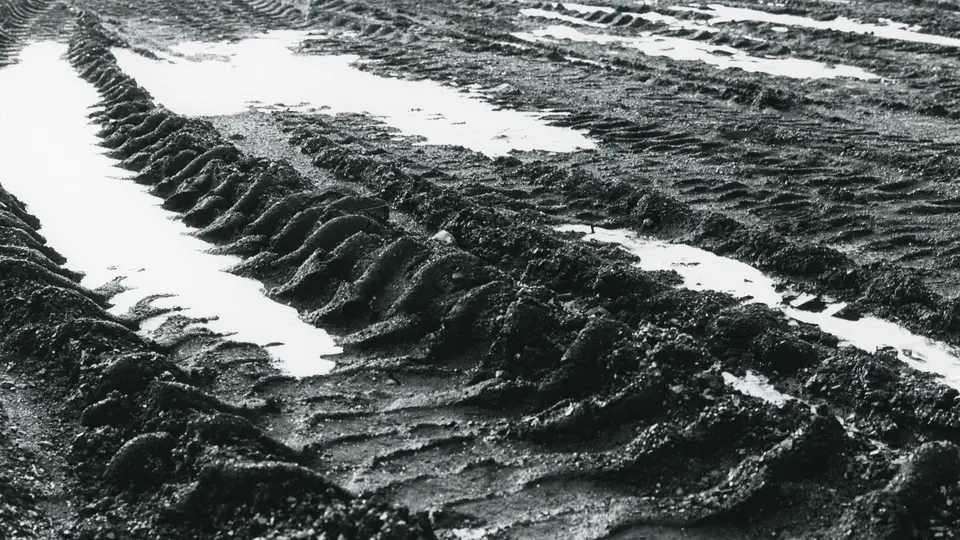
Wet sludge in~80% moisture · sticky lumps
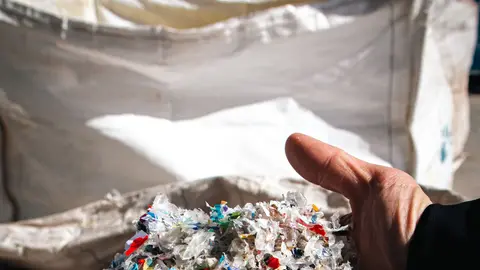
Dry sludge outdown to 1% moisture · granules & powder
Drag to rotate · tap the dots
Moisture80%
80%
75–90%less weight to haul
50%lower handling cost
1–20%final moisture – you choose
1997
Building dryers since
1500+
Projects delivered
500+
Industrial clients
500+
Dryers of all kinds running today
ISO 9001
Certified by TÜV India
CE
Marked equipment
500+industrial clients trust AS Engineers1500+ projects · ISO 9001:2015 · since 1997
The real cost of wet sludge
Stop paying to truck water
Your sludge leaves the filter press at about 80% water. You pay to load it, haul it and dispose of it – every single day. An AS Engineers paddle dryer removes that water at source.
Disposal + transport / ton
30truckloads a month today – mostly water
AS Engineers paddle dryer
7truckloads a month after drying
7.8 twater removed every day
78%less weight to haul
₹23.3 Ldisposal bill saved / month*
Where your handling money goes
Today
Haulage & disposal
100%
With paddle dryer
You keep ~50%
~50%
Haulage & disposal
Disposal of dry product
Fuel & power
*Gross disposal & transport saving, 30 days, 10-ton trucks, dried to 10% moisture. After fuel and power, total handling cost typically falls by up to 50% – your exact payback depends on heating medium and disposal rate.
Avoidable cost since you opened this page₹0based on 10 tons/day · ₹10,000/ton · 80% → 10% moisture
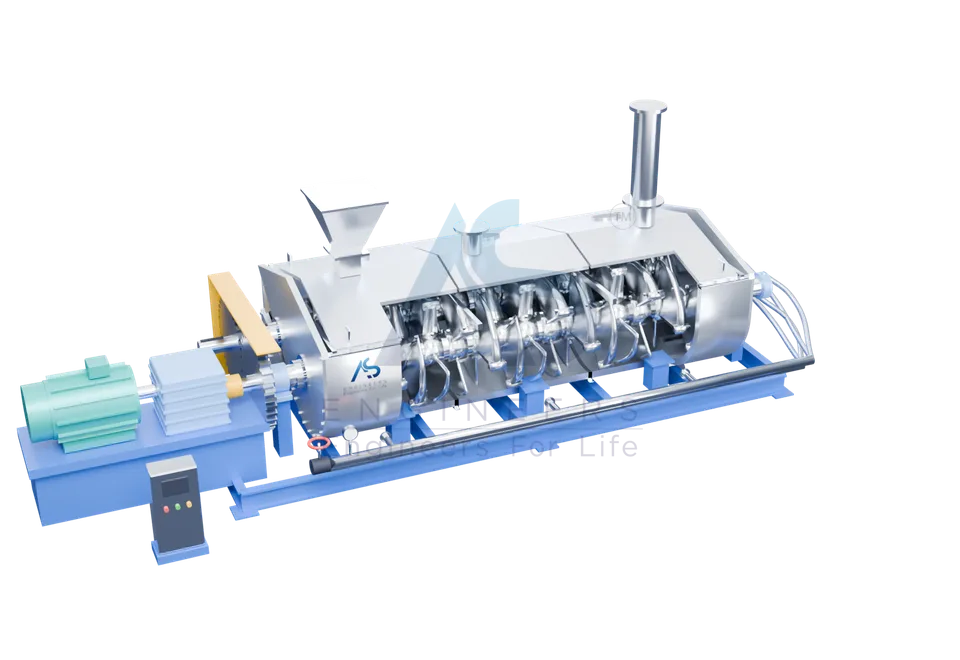
Two hollow shafts. Turning together. Cleaning each other.
Feed
Wet cake drops into the hopper. The feeder spreads it evenly along the trough.
Heat
Steam, thermic fluid or hot water flows inside the hollow shafts, blades and jacket. Heat reaches your sludge through steel – the heating medium never touches it.
Knead & move
The two shafts turn in opposite directions. The wedge blades sweep the cake up between them, break the lumps into smaller pieces, wipe each other clean and push the bed forward.
Vent
A small purge stream carries the water vapour to a cyclone and scrubber.
Discharge
Dry granules and powder drop out at the far end – ready to burn, sell or dispose of at a fraction of the weight.
Wet cake drops inHeat through steelBlades lift & break lumpsVapour outDry granules move on to the outlet
~80%
Wet cake
Dark, heavy, sticky lumps enter the hopper.
~60%
Plastic phase
Heat softens it; paddles knead and stretch.
~35%
Shearing phase
Paddles shear the mass into crumbs.
1–20%
Dry granules + powder
Free-flowing granules and fines discharge.
Illustrative moisture along the dryer. Dried output goes to fuel · cement kilns · bricks · agriculture.
The heart of the dryer
Hollow wedge blades that heat, knead and clean
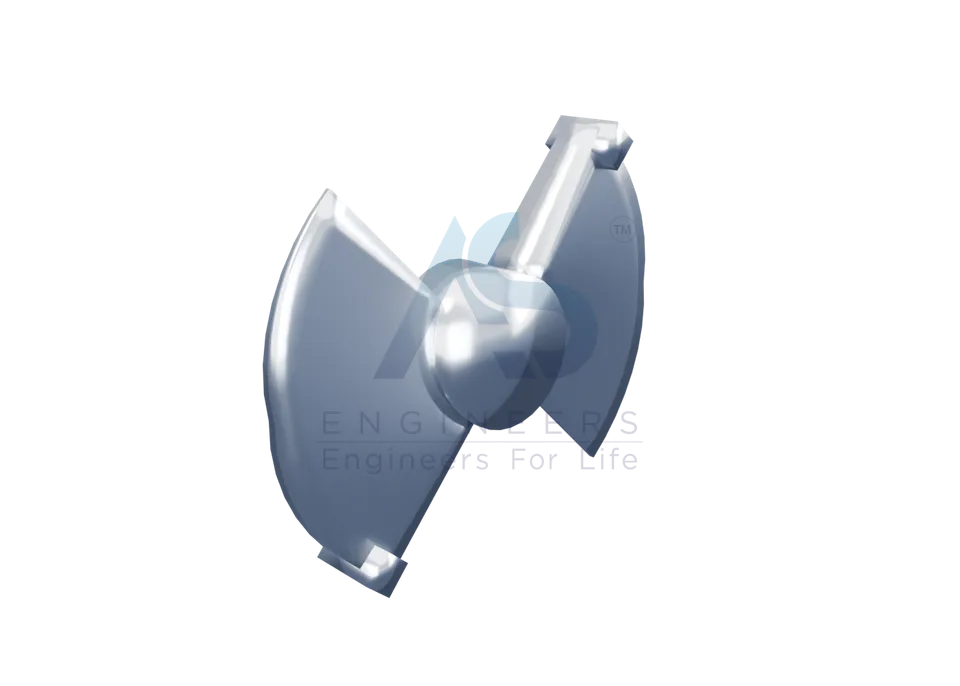
Every shaft carries pairs of hollow wedge blades. Heat flows inside them, so each blade is a heating surface as well as a mixer.
1
Hollow shaftLarge-bore shaft – steam or thermic fluid flows inside.
2
Two blades, 180° apartEach station sits 45° on from the last, forming a helix.
3
Scraper blocksSquare blocks on the rim wipe the trough wall – no crusting.
4
Wedge profileThin leading edge cuts in, thick trailing edge squeezes and releases – heated from inside.
Section through one blade: hollow, heated from inside, thin where it cuts in and thick where it squeezes.Each station turns 45° on from the last – together they form a helix that moves the bed to the outlet.
Engineered by AS Engineers
From a single dryer to a complete plant
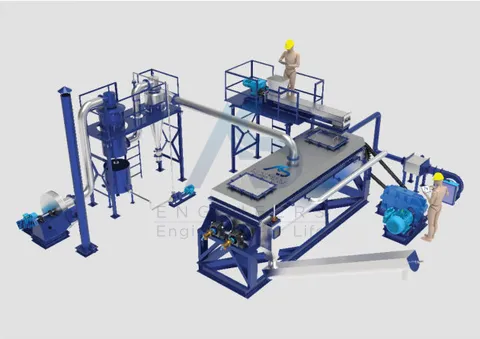
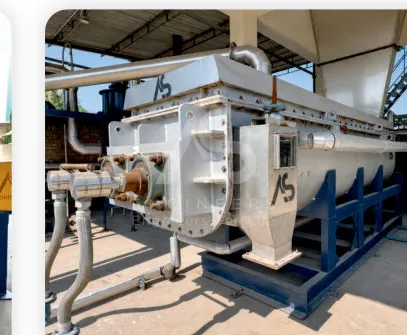
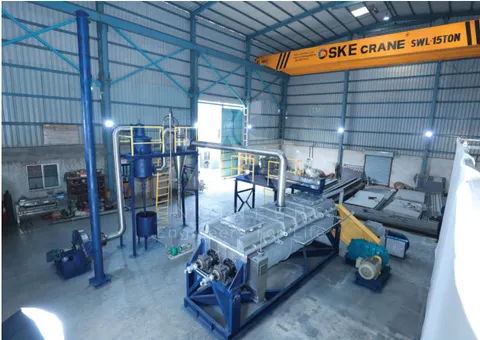
Explore the machine, follow the eight sub-systems of a full plant, or see a 3D design become a working plant in our works.
Choose a view
SS 304 / 316 contact parts
Steam, thermic fluid or hot water
45° helix, self-cleaning
1
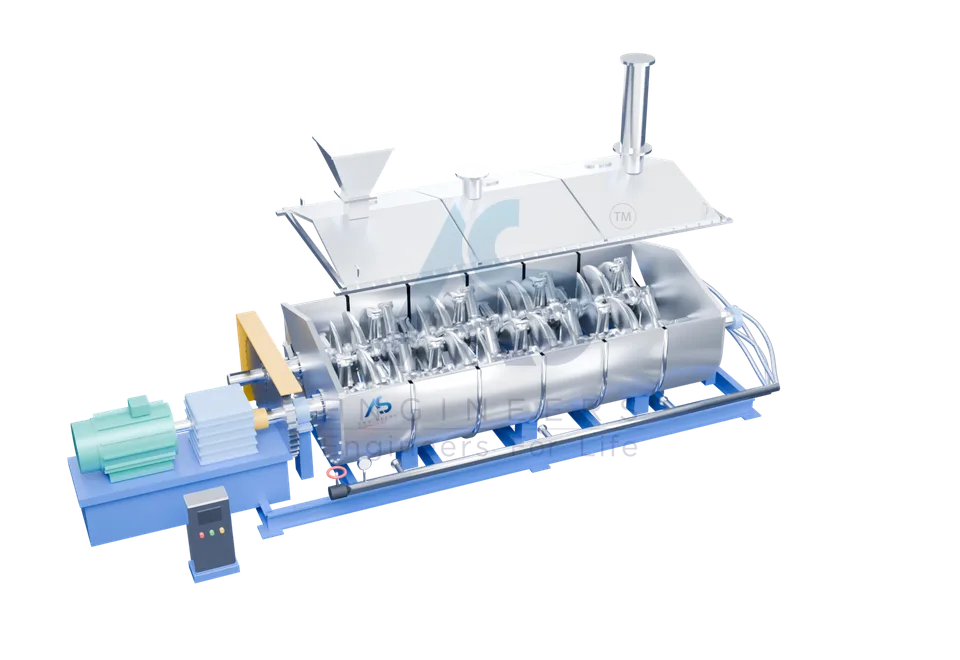
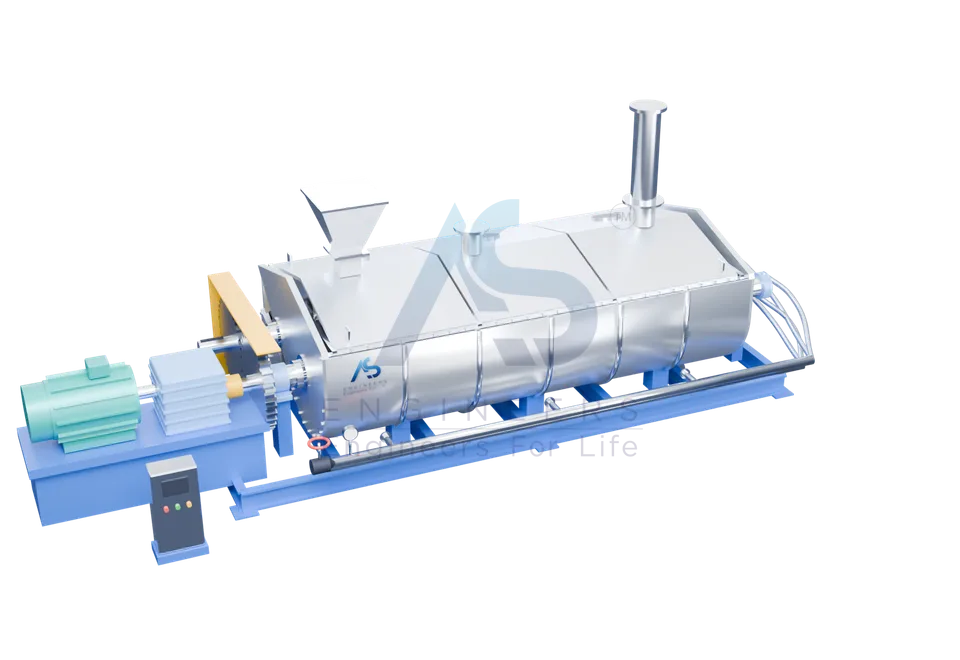
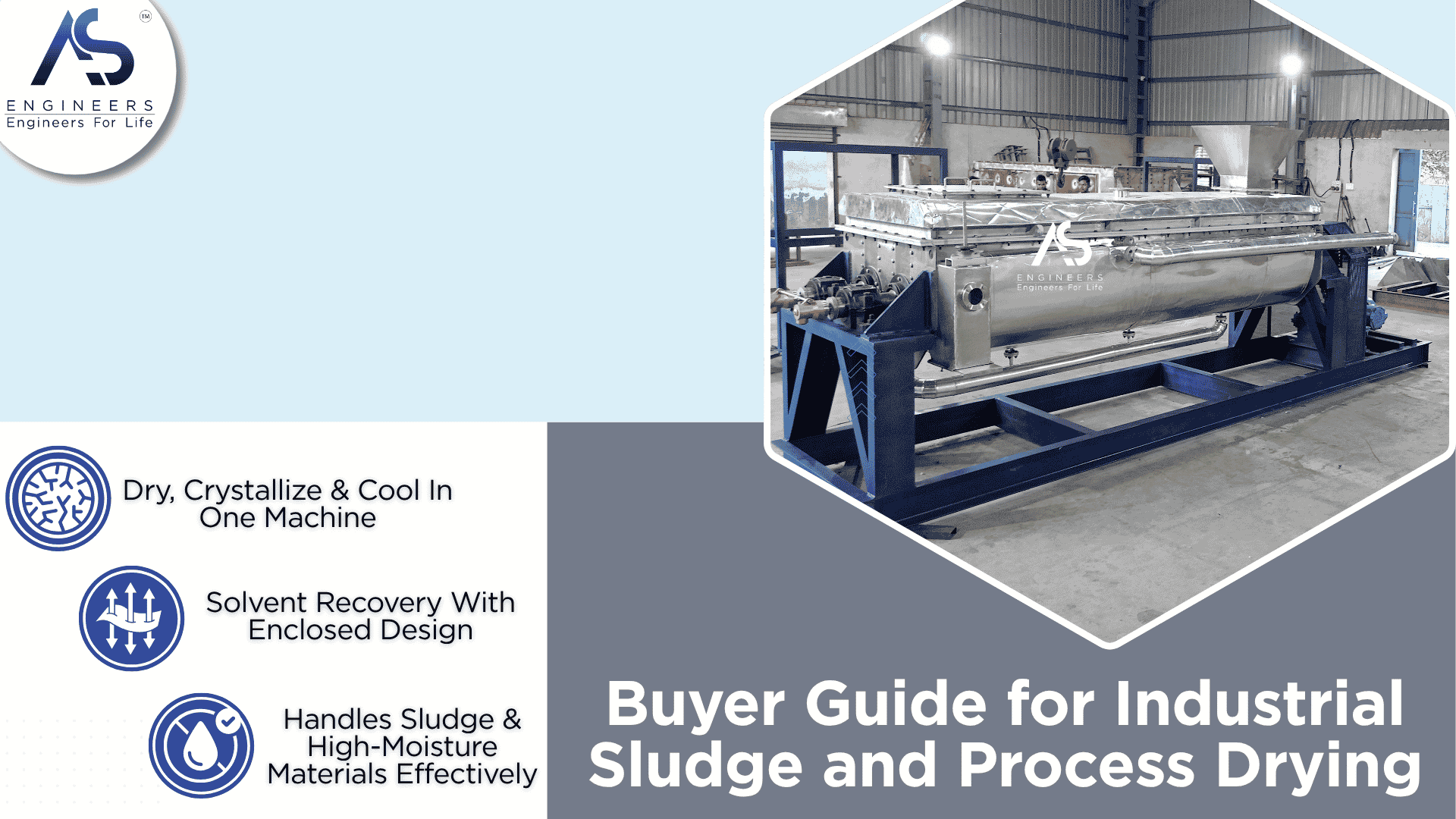
Bolted top cover3 sections, manholes, sight glass, lifting lugs
2
Feed inlet & hopperflanged neck, square hopper
3
Exhaust / vapour stackto cyclone & scrubber
4
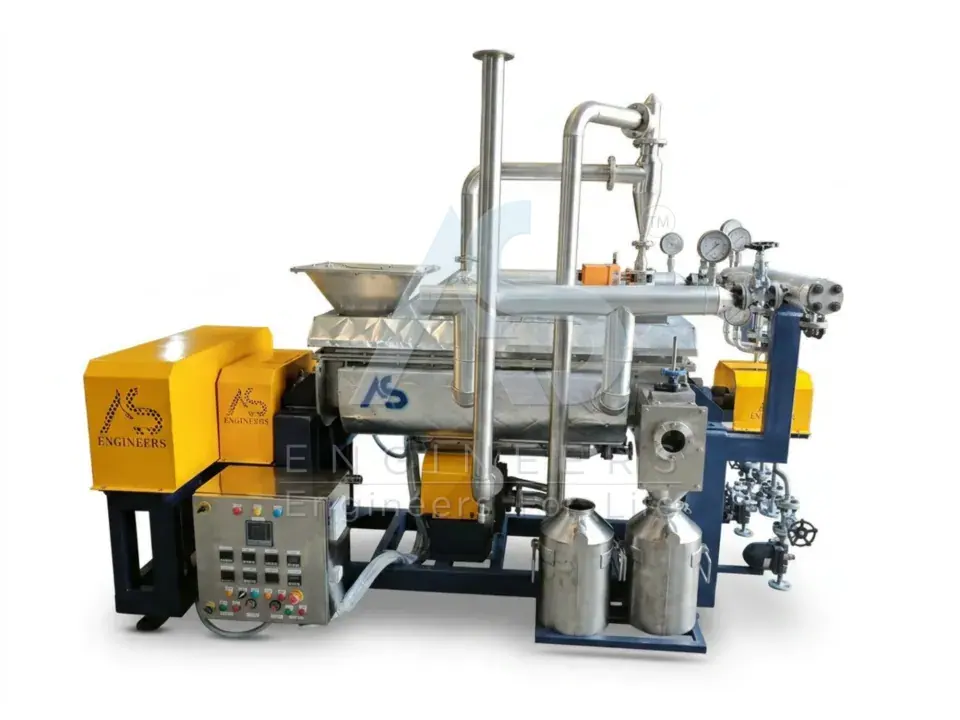
Hollow shafts + wedge bladespairs of hollow wedge blades in a 45° helix
5
Jacketed W-troughheated jacket, quilted SS cladding
6
Rotary jointsheating medium in / out
7
Synchronising gearscounter-rotation in phase
8
Reducer + motorlow speed, high torque, VFD-ready
9
PLC & HMIautomatic, interlocked
10
Steam headervalve, gauge, condensate return
Wet feedHeating mediumHot airVapour & exhaustDry productTap any sub-system to see how it works
1
Fuel resources
How it works: Various fuels feed the heating system.
Options: Natural gas, wood, coal, LDO, electricity, briquettes and more
2
Heating system
How it works: Generates the heating medium for the dryer.
Options: Steam boiler, thermic fluid heater, hot water generator
3
Feeding system
How it works: Wet feed from the silo is fed evenly into the dryer by a screw feeder.
Options: Belt conveyor, screw feeder, sludge pump
4
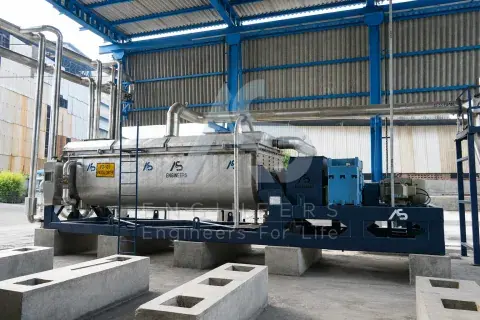
Paddle dryer
How it works: Heat passes through the hollow shafts and jacket; wedge paddles knead and break the material for efficient drying.
Options: Standard, dual-zone or vacuum dryer
5
Scavenging system
How it works: An FD blower sends filtered air, heated in a finned-tube exchanger, into the dryer.
*Indicative gross saving on 330 operating days, before dryer running cost. Final payback depends on heating medium, power and site conditions – we calculate it free.
One machine, every team wins
What your team gets
Choose your role.
What plant head getsIt runs itself
Runs round the clock with minimal supervision
Blades clean themselves – no crusting, no stoppages
The usual wayDrying beds / dewatering onlyWeeks in an open yard – and nothing dries in the monsoonVSThe AS Engineers wayAS Engineers paddle dryerHours, not weeks – enclosed, automatic, any weather
8/8The paddle dryer wins on every count – see it happen with your own sludge.Book a pilot trial
25 kg/hrpilot dryer your site or ours
Pilot trial
See your own sludge dry before you invest
We run your material on our 25 kg/hr pilot dryer – at your site or at our Ahmedabad works – and hand you real numbers: drying rate, final moisture and product form. The trial is paid, and we waive the fee when you place your order.
Order → fee waivedTrial fee adjusted on your order
FAQ
Questions buyers ask us
What is a paddle dryer – and is it the same as a sludge dryer?
A paddle dryer is an indirect-heat continuous dryer: two counter-rotating hollow shafts with wedge-shaped paddles move wet material through a heated, jacketed trough. When used for ETP, STP or municipal sludge it is commonly called a sludge dryer – same machine, configured for sludge.
Which materials can it dry?
Slurries, pastes, filter cakes, granules and powders: ETP/STP/CETP sludge, bio-sludge, chemical salts and hydroxides, pharma intermediates, starch, spent grain, DDGS, rice bran, fish meal, pigments, polymers, PET chips, gypsum, copper concentrate, lithium hydroxide and more. Send a sample and we will test it.
Which industries use AS Engineers paddle dryers?
Chemical, pharmaceutical, textile, food, paper and pulp, plastics, wood processing, waste management and municipal bodies – 1500+ projects for 500+ clients since 1997.
Can it be used for processes other than drying?
Yes – heating, calcining, solvent stripping, crystallising, reacting and cooling duties on the same platform.
How does an indirect paddle dryer work?
Steam, thermic fluid or hot water flows through the hollow shafts, paddles and jacket. Heat passes through the metal into the material – the heating medium never touches it. Intermeshing paddles knead, break lumps and push the material in plug flow from feed to discharge; a small purge carries vapour to a cyclone and scrubber or condenser.