Sludge Drying Methods: What Should a Plant Actually Compare? Sludge drying methods should be compared on moisture reduction, drying control, land requirement, weather dependence, odor risk, disposal cost, and compliance needs. Thermal drying is usually better for...
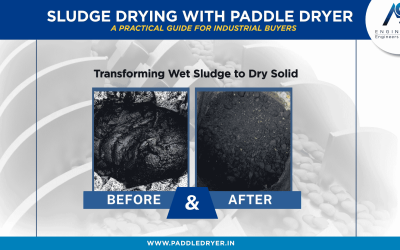
Sludge Drying with Paddle Dryer Technology: A Practical Guide for Industrial Buyers
What Is Sludge Drying and Why Does It Matter? Sludge drying is the process of removing moisture from wet sludge to reduce volume, weight, handling difficulty, and disposal burden. In industrial plants, it helps convert wet, bulky sludge into a more manageable dry...
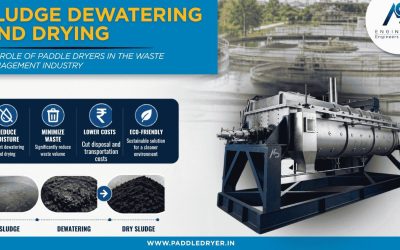
Sludge Dewatering and Drying: The Role of Paddle Dryers in the Waste Management Industry
Why Sludge Dewatering and Drying Matters in Waste Management Sludge dewatering and drying reduces moisture, weight, volume, odor, and disposal difficulty in industrial and municipal sludge handling. Dewatering removes part of the water mechanically, while drying...
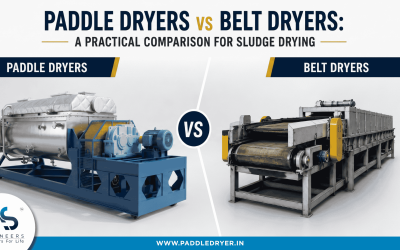
Paddle Dryers vs Belt Dryers: A Practical Comparison for Sludge Drying
Why Paddle Dryers vs Belt Dryers Is a Serious Buyer Decision Paddle dryers vs belt dryers is not a simple “which dryer is better” question. The better choice depends on sludge stickiness, moisture target, available floor space, utility cost, off-gas handling,...