by Karan Dargode | Mar 14, 2024 | Blogs
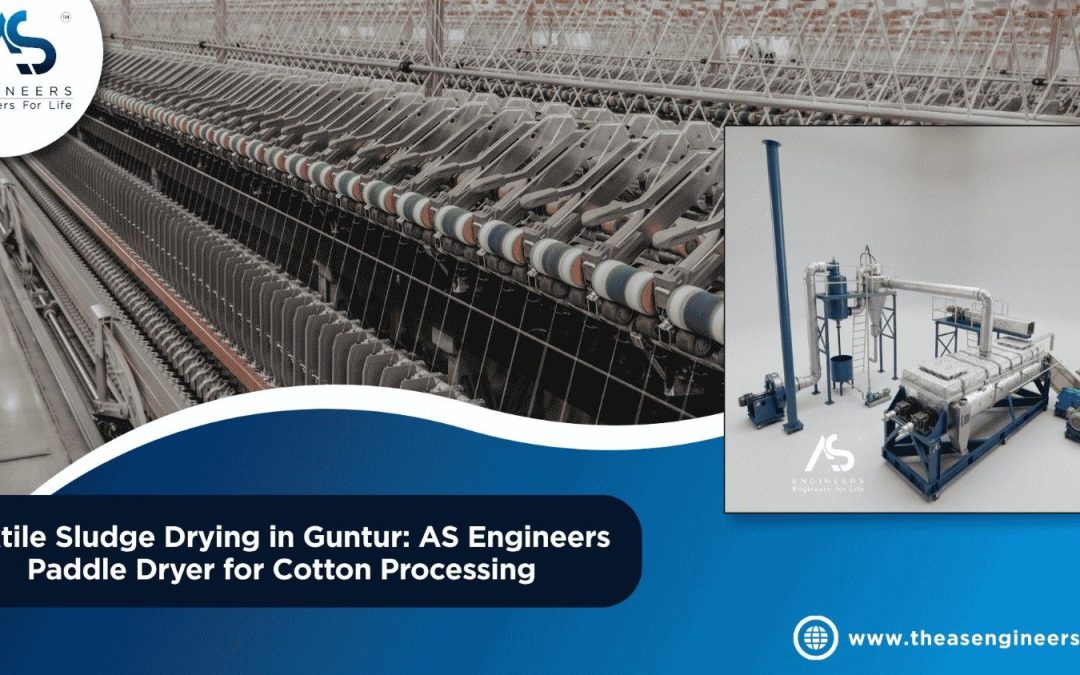
Textile Sludge Drying in Guntur: What Problem Does It Solve? Textile sludge drying in Guntur helps cotton processing, ginning, spinning, dyeing, and textile-related plants reduce wet ETP sludge volume before storage, transport, disposal, or approved reuse. A paddle...
by Karan Dargode | Mar 9, 2024 | Blogs
Paddle Dryer Manufacturing in Bhilwara: What Should Buyers Actually Compare? Paddle dryer manufacturing in Bhilwara should be evaluated by application fit, sludge behavior, heating medium, material of construction, pilot testing, and after-sales support. AS Engineers...
by Karan Dargode | Mar 9, 2024 | Blogs
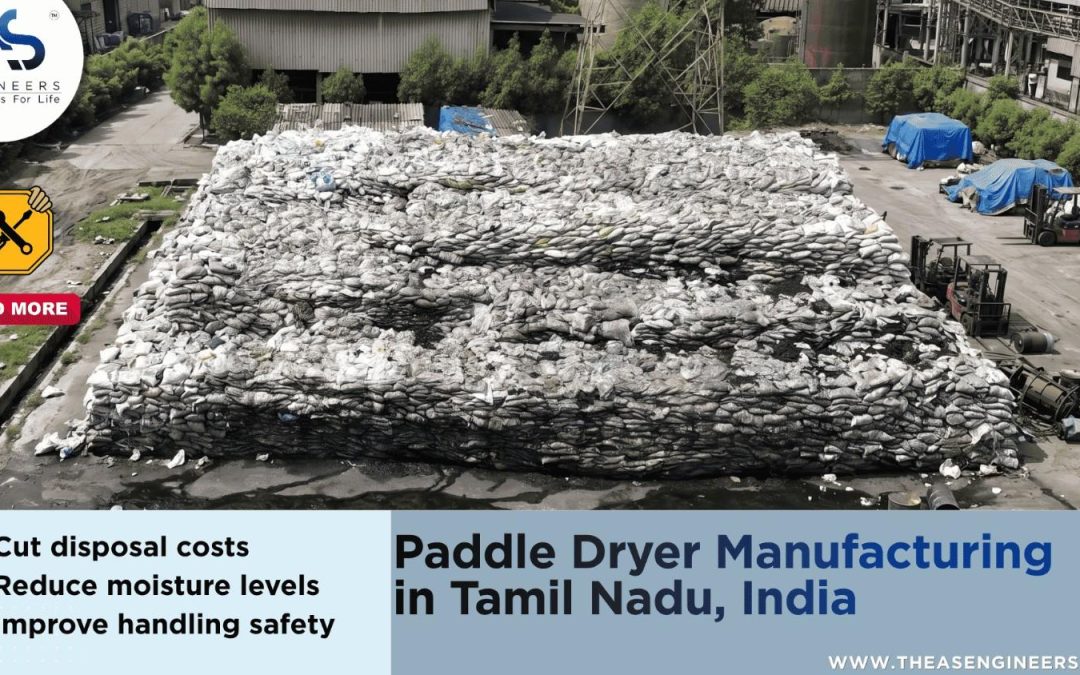
Paddle Dryer Manufacturing in Tamil Nadu: What Should Buyers Really Look For? Paddle dryer manufacturing in Tamil Nadu should be evaluated by engineering fit, sludge behavior, heating medium, material of construction, pilot testing, and after-sales support. For Tamil...
by Karan Dargode | Feb 26, 2024 | Blogs
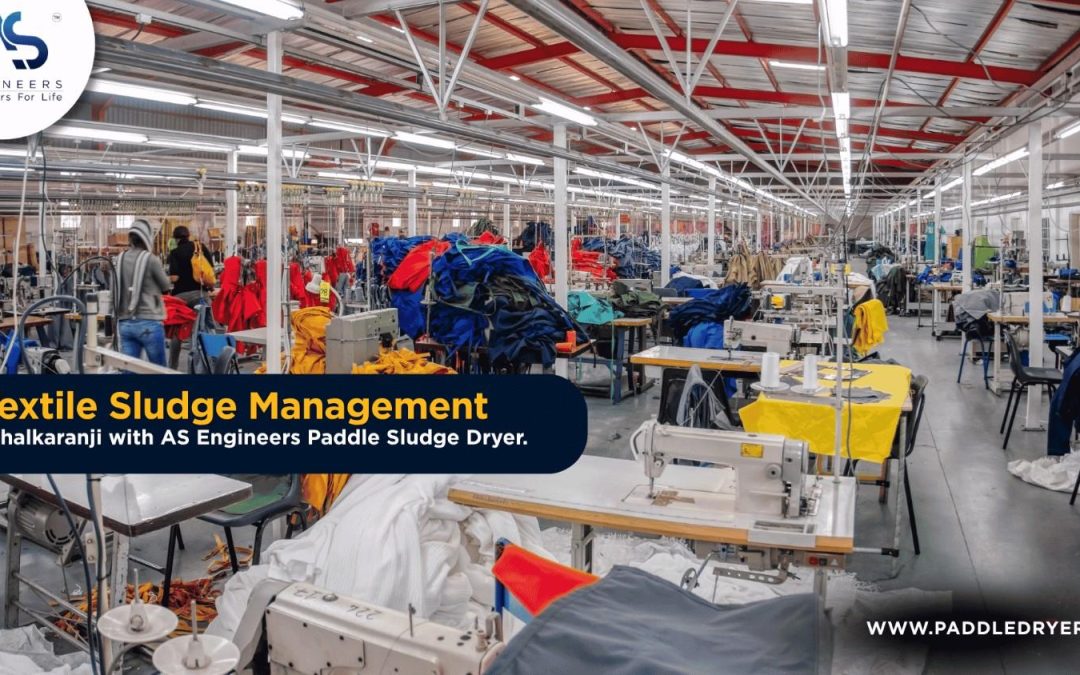
Textile Sludge Management in Ichalkaranji: What Problem Needs Solving? Textile sludge management in Ichalkaranji is mainly about reducing wet ETP sludge volume, improving handling, lowering disposal load, and making plant operations cleaner. A paddle sludge dryer...
by Karan Dargode | Aug 11, 2023 | Blogs
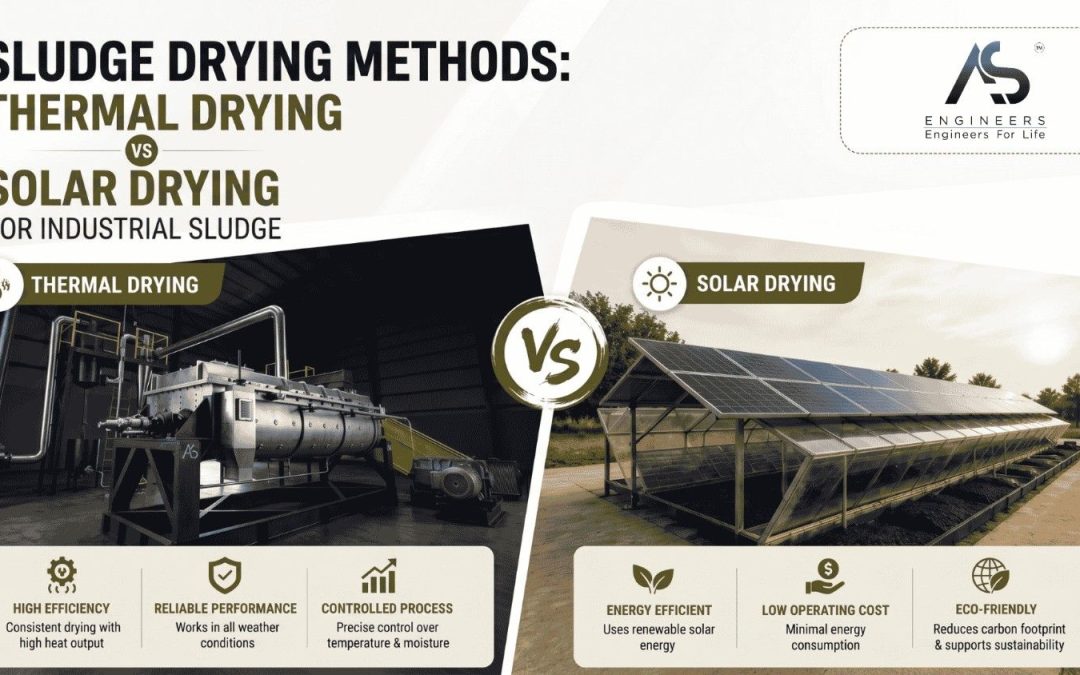
Sludge Drying Methods: What Should a Plant Actually Compare? Sludge drying methods should be compared on moisture reduction, drying control, land requirement, weather dependence, odor risk, disposal cost, and compliance needs. Thermal drying is usually better for...