Why Pharmaceutical Sludge Drying Needs a More Controlled Approach Pharmaceutical sludge drying is not only a disposal step. It is a control point for moisture reduction, hygiene, handling safety, compliance, and downstream disposal cost. A paddle dryer gives pharma...
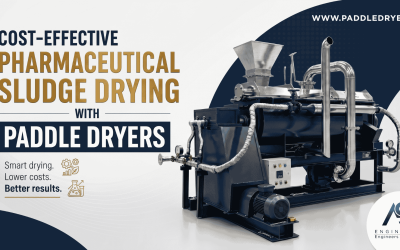
Cost-Effective Pharmaceutical Sludge Drying with Paddle Dryers
Why Cost-Effective Pharmaceutical Sludge Drying Starts with Moisture Reduction Cost-effective pharmaceutical sludge drying means reducing the weight, volume, handling difficulty, and disposal load of wet ETP sludge before it leaves the plant. Paddle dryers support...
Reducing Waste and Cost with Paddle Dryers for Sludge Drying in the Food Industry
Why Food Industry Sludge Drying Matters for Waste and Cost Control Food industry sludge drying helps reduce wet sludge volume, lower transport load, improve hygiene, and make disposal planning more predictable. A paddle dryer supports this by using indirect heat and...
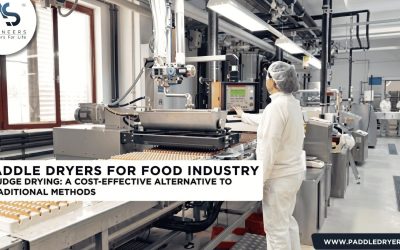
Paddle Dryers for Food Industry Sludge Drying: A Cost-Effective Alternative to Traditional Methods
Why Food Sludge Drying Needs Better Alternatives to Traditional Methods Food sludge drying needs a method that reduces moisture, handling difficulty, odor risk, storage pressure, and disposal weight without depending on open drying space or unstable weather. A paddle...
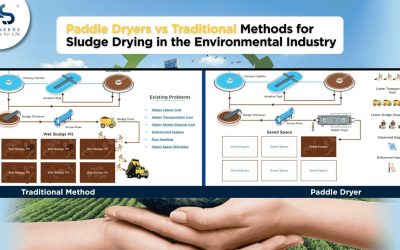
Paddle Dryers vs Traditional Methods for Sludge Drying in the Environmental Industry
Why Compare Paddle Dryers vs Traditional Methods for Sludge Drying? Paddle dryers vs traditional methods is an important comparison for environmental plants because sludge drying affects disposal cost, land use, odor, hygiene, compliance, and daily operation....
Sustainable Sludge Drying with Paddle Dryers for the Environmental Industry
Why Sustainable Sludge Drying Matters in Environmental Operations Sustainable sludge drying helps environmental plants reduce wet sludge volume, improve handling, lower disposal pressure, and support cleaner waste management. Paddle dryers achieve this through...
Paddle Dryer for Chemical Sludge Drying: Benefits for Safer, Lower-Cost Waste Handling
Why Paddle Dryer for Chemical Sludge Drying Is a Practical Choice A paddle dryer for chemical sludge drying helps chemical plants reduce wet sludge volume, improve disposal handling, and control moisture using indirect thermal drying. It is especially useful when...
Paddle Dryer for Chemical Sludge Drying: A Smarter Way to Reduce Waste Volume
Why Paddle Dryer for Chemical Sludge Drying Changes the Disposal Problem A paddle dryer for chemical sludge drying helps chemical plants convert wet, heavy, difficult sludge into a drier and easier-to-handle material. It reduces sludge volume, improves storage...
Paddle Dryers for Chemical Sludge Drying: Lower Environmental Impact Without Losing Process Control
Why Chemical Plants Need Cleaner Sludge Drying Decisions Paddle Dryers for Chemical Sludge Drying help chemical processors reduce wet sludge volume, improve handling, and support more controlled environmental management. The core advantage is indirect heat transfer...