
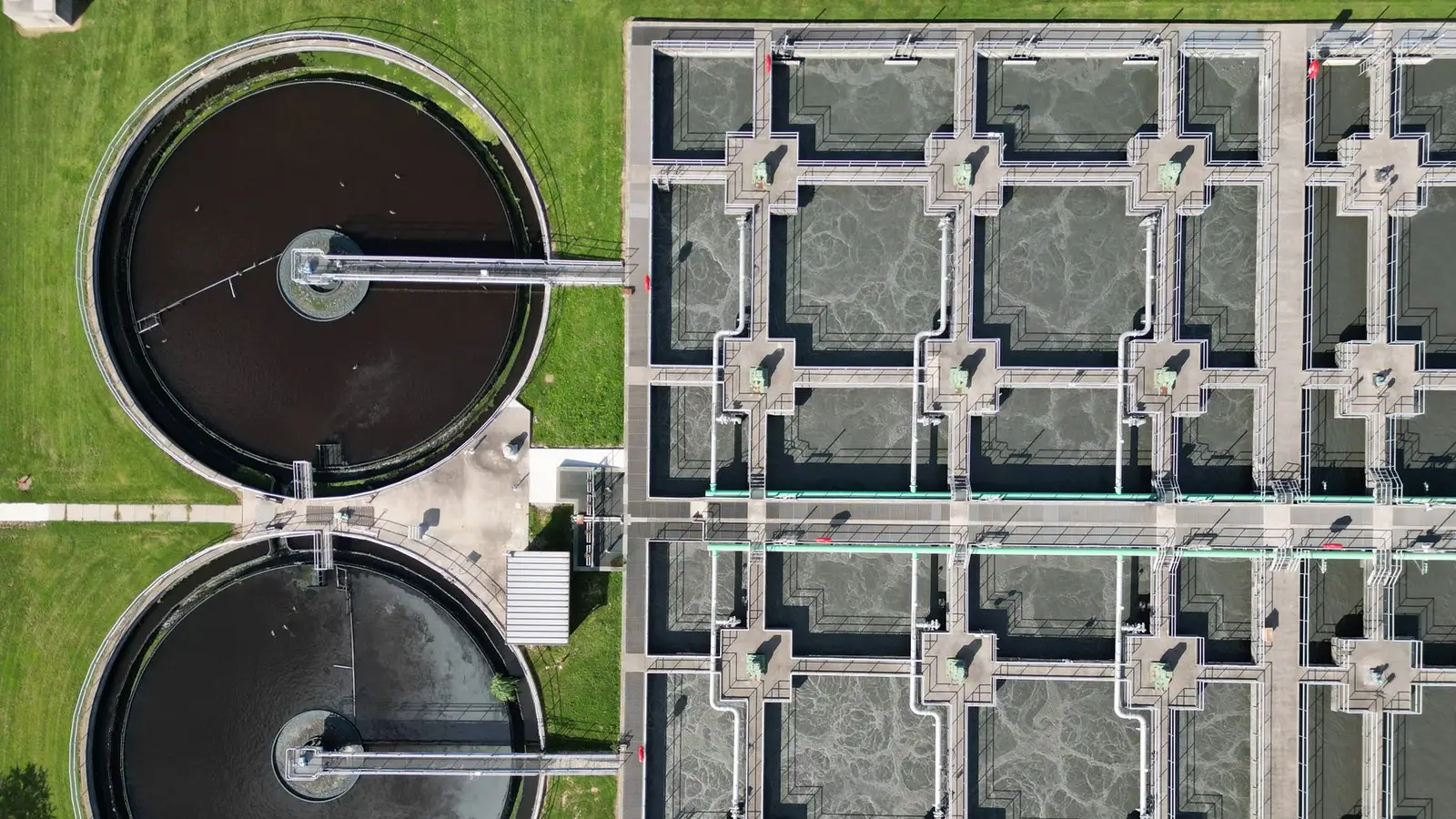
Paddle dryer · Environment
Paddle dryer for the Environment industry
Dry ETP, STP, CETP and bio-sludge – up to 90% less volume to haul, store and dispose.
- Typical feed
- Dewatered cake, ~80% moisture
- Heating
- Steam, thermic fluid or hot water
- Dry output
- Granules at 1–20% moisture, you choose
- Weight cut
- 75–90% less to haul (by feed moisture)
- Talk to an application engineer
- +91 99090 33851
The challenge
The Environment drying problem
- ✕You pay to haul and dispose of ~80% water
- ✕Odour, leachate and monsoon storage problems
- ✕Rising TSDF and hazardous-waste disposal costs
With an AS Engineers paddle dryer
Effluent and sewage plants generate wet, heavy, often hazardous sludge. The biggest avoidable cost is paying to move the water inside it.
Why a paddle dryer fits
- Up to 90% volume reduction depending on feed moisture
- Enclosed drying controls odour and fugitive emissions
- Dry sludge can be co-fired, co-processed or disposed of at a fraction of the weight
- Handles variable sludge from CETPs
Typical process
Dewatered cake (15–30% solids) is screw-fed, dried to your target moisture and discharged to silo, bag or truck.
Materials we dry
What we dry for the Environment industry
- ETP sludge
- STP sludge
- Bio-sludge
- Oil sludge
- Chemical sludge
- Not listed? Ask us about your material
Inside the dryer
From sticky cake to dry granules – one continuous pass
Wet cake
Dark, heavy, sticky lumps enter the hopper.
Plastic phase
Heat softens it; paddles knead and stretch.
Shearing phase
Paddles shear the mass into crumbs.
Dry granules + powder
Free-flowing granules and fines discharge.
Illustrative moisture along the dryer. Dried output goes to fuel · cement kilns · bricks · agriculture.
On video
Environment trials on video
Guides & case notes
Environment Industry articles
New guides for this industry are on the way. Meanwhile, read all our guides.
More industries
Other industries we serve
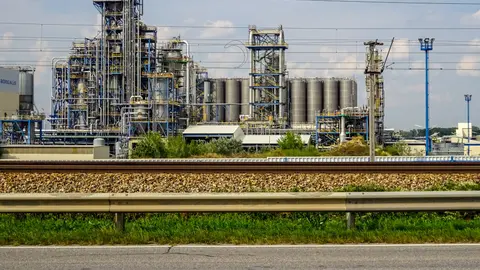
Chemical Industry
Salts, hydroxides and process cakes dried in an enclosed, corrosion-resistant system with optional solvent recovery.
- Aluminium hydroxide
- Sodium chloride
- Ammonium nitrate
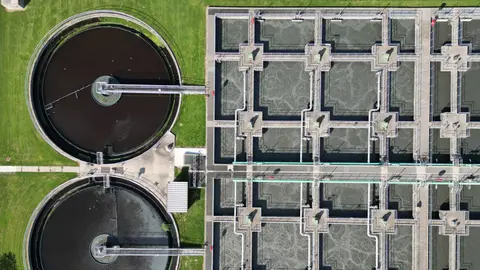
Environment Industry (ETP · STP · CETP)
Dry ETP, STP, CETP and bio-sludge – up to 90% less volume to haul, store and dispose.
- ETP sludge
- STP sludge
- Bio-sludge
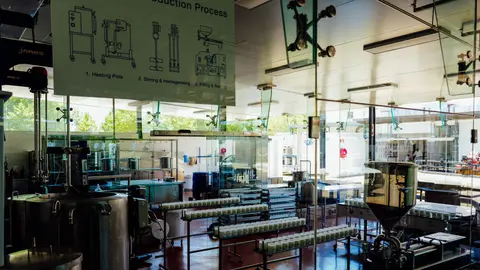
Food Processing Industry
Hygienic, gentle drying of starch, spent grain and food by-products into stable, saleable material.
- Starch
- Spent grain
- Calcium carbonate
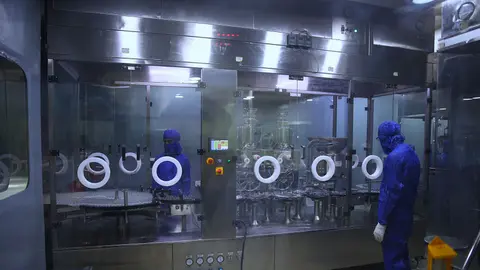
Pharmaceutical Industry
Contained drying of API intermediates, carbonates and pharma process sludge – vacuum and solvent-recovery options.
- Calcium carbonate
- Sodium carbonate
- API intermediates
Tell us your sludge. We will size your paddle dryer.
Share quantity and moisture – get a technical proposal, payback estimate and pilot-trial option within one working day.