ETP · STP · CETP
Sludge Dryer Manufacturer
Paddle-type sludge dryers for ETP, STP and CETP plants – up to 90% less volume, up to 50% lower handling cost.
- ISO 9001:2015 · CE
- 1500+ projects since 1997
- Pilot trial on your material
ETP · STP · CETP
A sludge dryer that turns your biggest waste cost into a small one
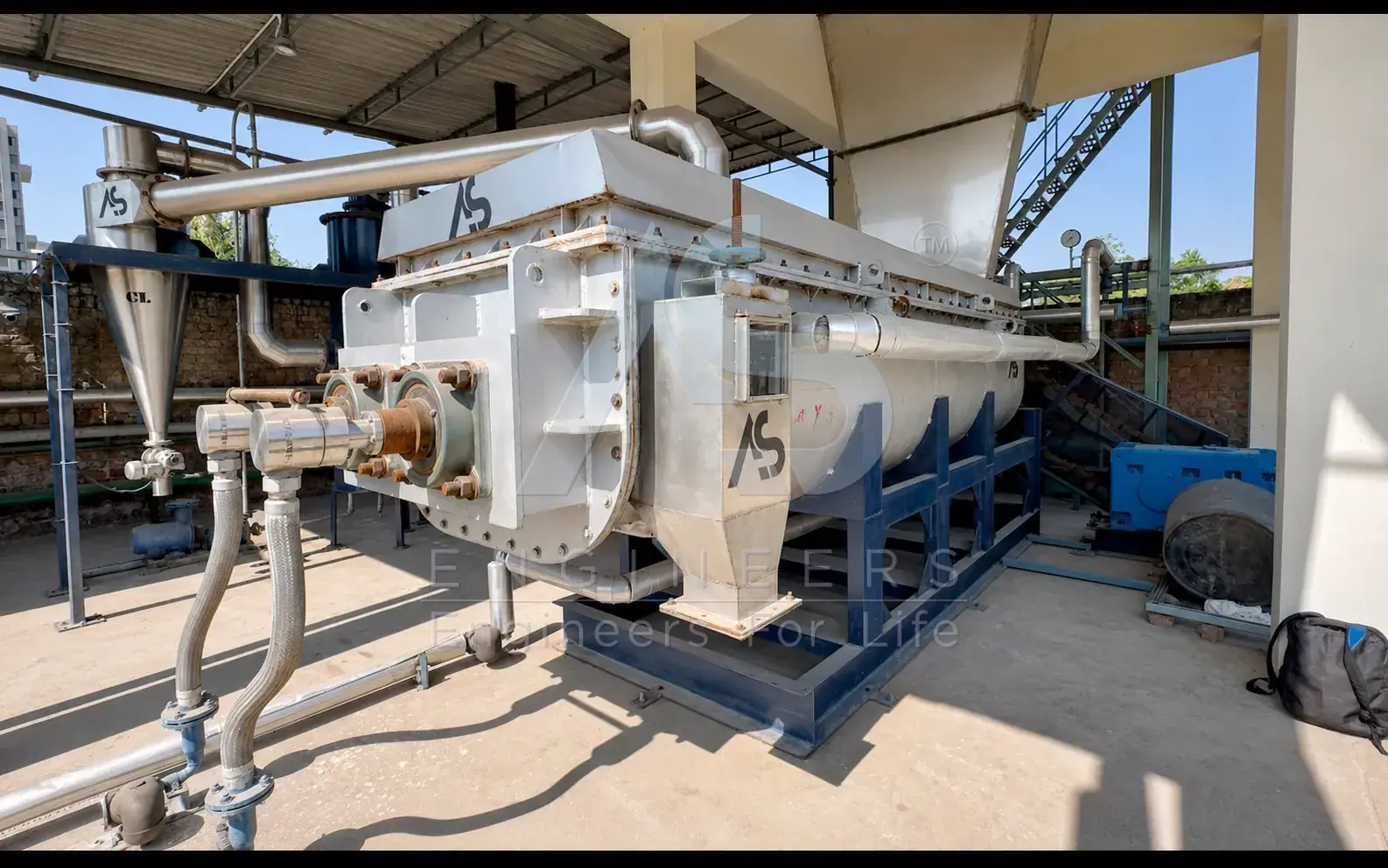
Your effluent or sewage plant makes sludge every day, and most of it is water. Our paddle-type sludge dryer drives that water off, so you haul up to 90% less volume – and what is left is light, odour-free and often good enough to burn as fuel.
- Proven on ETP, STP, CETP, paper, textile, pharma and food sludge
- Dry output for boiler co-firing, cement kilns or bricks
- Tested on your sludge before you buy
The real cost of wet sludge
Stop paying to truck water
Your sludge leaves the filter press at about 80% water. You pay to load it, haul it and dispose of it – every single day. An AS Engineers paddle dryer removes that water at source.
Where your handling money goes
- Haulage & disposal
- Disposal of dry product
- Fuel & power
*Gross disposal & transport saving, 30 days, 10-ton trucks, dried to 10% moisture. After fuel and power, total handling cost typically falls by up to 50% – your exact payback depends on heating medium and disposal rate.
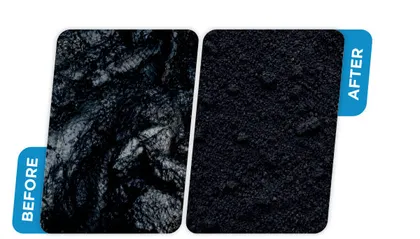
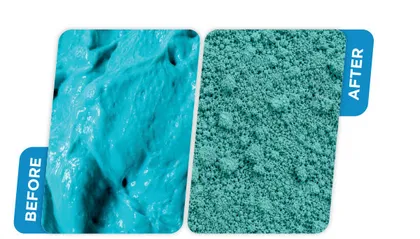
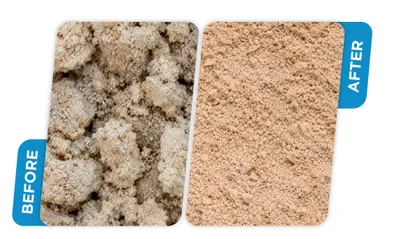
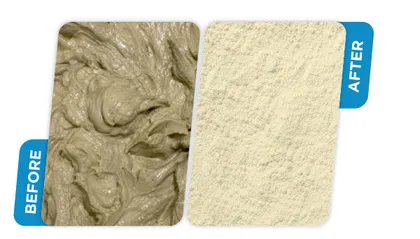
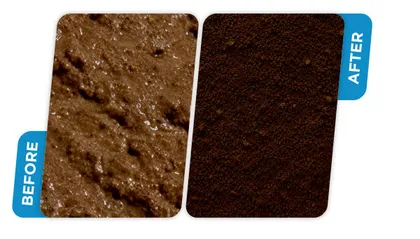
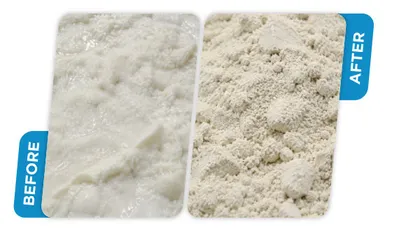
Real samples, before and after our dryer
Three steps to lower cost
Dewater → Dry → Reuse
1 · Dewater
Your filter press, centrifuge or decanter takes sludge to about 15–30% solids.
2 · Dry
Our paddle dryer takes it to 80–95% solids – a fraction of the weight.
3 · Reuse or dispose
You burn it, sell it to cement or brick makers, or dispose of far less.
Savings calculator
Your sludge. Your numbers. 20 seconds.
Move the sliders. See how much weight you stop hauling – and what that is worth every year.
- Dried output
- 0 tons/day
- Water removed
- 0 tons/day
- Disposal saving / day
- ₹0
- Disposal saving / year*
- ₹0
*Indicative gross saving on 330 operating days, before dryer running cost. Final payback depends on heating medium, power and site conditions – we calculate it free.
See the difference
Real samples. Before and after our dryer.
Sludge, pigments, salts and minerals dried on AS Engineers paddle dryers.
Compliance
Stay on the right side of the rules
Always confirm the norms for your sludge with your State Pollution Control Board.
Hazardous Waste Rules 2016
Fewer loads of hazardous sludge leave your site – less storage, less TSDF cost.
Solid Waste Management Rules 2016
Dry, stable biosolids are easier to store, move and divert from landfill.
NGT / CPCB expectations
An enclosed dryer with controlled exhaust supports your consent conditions. Municipal projects can align with AMRUT 2.0 / NMCG funding.
your site or ours
Pilot trial
See your own sludge dry before you invest
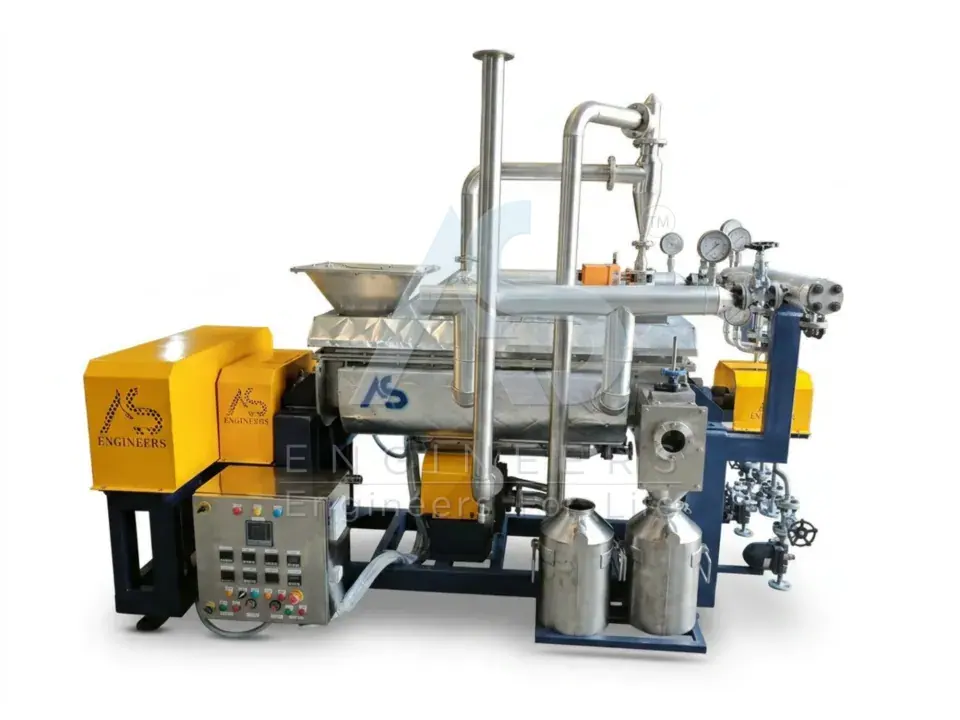
We run your material on our 25 kg/hr pilot dryer – at your site or at our Ahmedabad works – and hand you real numbers: drying rate, final moisture and product form. The trial is paid, and we waive the fee when you place your order.
FAQ
Sludge dryer questions
What is a paddle dryer – and is it the same as a sludge dryer?
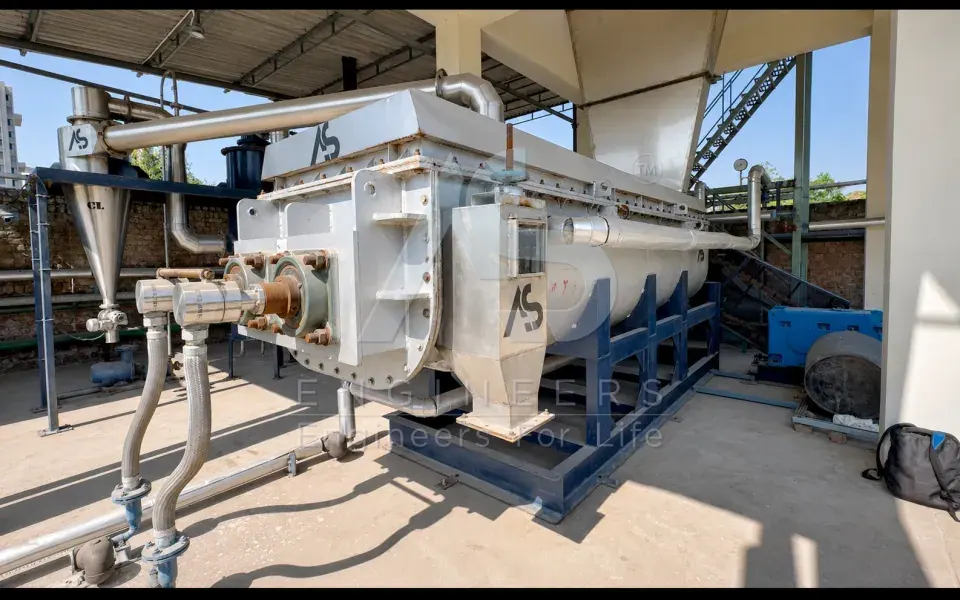
A paddle dryer is an indirect-heat continuous dryer: two counter-rotating hollow shafts with wedge-shaped paddles move wet material through a heated, jacketed trough. When used for ETP, STP or municipal sludge it is commonly called a sludge dryer – same machine, configured for sludge.
Which materials can it dry?
Slurries, pastes, filter cakes, granules and powders: ETP/STP/CETP sludge, bio-sludge, chemical salts and hydroxides, pharma intermediates, starch, spent grain, DDGS, rice bran, fish meal, pigments, polymers, PET chips, gypsum, copper concentrate, lithium hydroxide and more. Send a sample and we will test it.
Which industries use AS Engineers paddle dryers?
Chemical, pharmaceutical, textile, food, paper and pulp, plastics, wood processing, waste management and municipal bodies – 1500+ projects for 500+ clients since 1997.
Can it be used for processes other than drying?
Yes – heating, calcining, solvent stripping, crystallising, reacting and cooling duties on the same platform.
How does an indirect paddle dryer work?
Steam, thermic fluid or hot water flows through the hollow shafts, paddles and jacket. Heat passes through the metal into the material – the heating medium never touches it. Intermeshing paddles knead, break lumps and push the material in plug flow from feed to discharge; a small purge carries vapour to a cyclone and scrubber or condenser.
What inlet and outlet moisture can it handle?
Inlet 40–85% (w/w) is typical. Outlet is adjustable – commonly 5–15%, around 20% for fuel-grade sludge, and 1–2% for specific applications.
Which heating media can be used?
Steam up to 14.06 kg/cm², thermic fluid up to 400°C, or hot water. The heating system can be fired by natural gas, wood, coal, LDO, briquettes or electricity.
Why indirect rather than direct (hot-gas) drying?
Off-gas is only about 2–5% of the sludge mass, so exhaust treatment is small. With low airflow and oxygen exposure, dust and explosion risk are lower, and there is no combustion-gas contamination.
Ready to cut your sludge cost?
Send us your daily quantity and moisture. We work out the volume you save, the fuel you need and your payback.